Carolin Braun-Rechlin
Family counselor at “Familie auf Herzhöhe,” mother, and author.
Baby crib, family bed or perhaps their own little bed? Many parents who are thinking about “optimal” baby sleep and a safe sleep environment may ask themselves this question. This article is intended to help you ensure safe sleep for your baby, get enough sleep yourself, and enjoy a relaxed time together.
Table of contents
- Crib, co-sleeping, bed-sharing
- How can babies sleep safely?
- 10 tips for safe baby sleep
Crib, co-sleeping, bed-sharing - where should the baby sleep?
There are many opinions on the subject of a baby’s crib. It is often recommended that infants sleep on their own sleeping surface in the same room during the first few months of life. This arrangement is also known as co-sleeping. Many parents feel this is safer, as some need time to get used to sharing a bed. However, sleeping on a shared surface is considered more natural and safer. This is known as bed-sharing.
Whether you choose to have your baby sleep in your bed or in their own crib, it is important to discuss this with your partner and take your child’s needs into account when creating the ideal sleep environment.
How do babies sleep safely?
Before taking a closer look at the various Polka dots, a note: the information provided can only help minimize risk factors related to suffocation or sudden infant death syndrome, topics that often concern parents. Not all questions about the possible causes and risks of sudden infant death syndrome—also known as SIDS—have been answered. However, there are protective factors you can take into account when considering your baby’s sleep environment.
Did you know?
Regular waking or frequent reassurance in the form of waking or restlessness is a clever protective mechanism for the baby. As a parent, you should not regard this as abnormal or as a disorder.
-
Don't let babies sleep alone
To respond quickly to the baby’s needs, such as hunger or comfort, it’s best not to let them sleep alone too often during the first few months. Very few babies need complete quiet, and they feel much more comfortable when they can hear that they’re not alone. This also makes it possible to respond more quickly to the first signs of restlessness, which usually end in waking. In addition, the sleeping position can be checked more quickly, which is also an important aspect of safe sleep.
-
The right sleeping position
Many babies prefer lying on their stomachs. This is understandable and not unusual, as it gives them a sense of security. However, sleeping on the stomach is also considered particularly risky¹. Accordingly, care should be taken to ensure that the back position is maintained during sleep, especially when the baby sleeps alone.
-
Don't “shut out” your child while they sleep
When a child falls asleep while out and about, of course you want to let them sleep. A natural instinct is to “shut the child off” by draping a cloth or blanket over the stroller, baby carrier, or car seat. However, this poses a risk of overheating . When the child is asleep, they don’t notice that they’re overheating. In addition, CO₂ rebreathing can occur². This is when the child breathes in air they have already exhaled, which means they receive less oxygen.
Expert tip:
Adults, too, usually find it more reassuring and pleasant when their familiar partner sleeps beside them in bed. So why should a baby be put to sleep all alone in their own bed?
10 Tips for Safe Baby Sleep
Here are some additional tips you can generally keep in mind:
Collapsible content
Solid foundation:
Your baby sleeps safely when the surface does not give too much. So don't take any risks with a waterbed, sofa, pillows, or anything similar.
Parental responsiveness:
No influence of alcohol, medication, or drugs on the parents, so you can quickly respond to your child's needs.
No smoking:
Smoking in any form—secondhand smoke, thirdhand smoke, and residues on Clothing Line, hair, hands, and surfaces—is harmful to the child.
Room temperature:
The optimal room temperature is between 16°C and 18°C.
Optimal warmth:
The child should not overheat while sleeping. Avoid head coverings, too much Clothing Line, Blankets, or Sleeping Bags with an unsuitable TOG rating.
Tip: You can also read more about the significance of the TOG rating in the magazine article “TOG ratings.”
Matching Sleeping Bag:
Choose the ideal Sleeping Bag based on the room temperature. It should be neither too warm nor too cool. A precise fit is also extremely important so the baby doesn’t slip down inside the Sleeping Bag while sleeping.
Tip: In the article “Baby sleeping bag: What should you dress your baby in underneath?”, you’ll learn how to dress your baby so they neither get too cold nor too hot.
Avoid Blankets:
A blanket can wrap around the child during sleep, which can lead to overheating.
Free lying area:
The sleeping surface should be as clear as possible. Avoid Soft Toys, pillows, toys, or similar items in the sleeping area.
Plenty of space:
If you have a family bed, make sure every family member has enough space.
The pacifier:
It is recommended that children who are not breastfed sleep with a pacifier. However, it is perfectly fine if your baby wants to sleep without one.
With these tips, you can provide your child with a safer sleep environment. If you notice anything unusual about your child’s sleep, talk to your pediatrician or midwife.
It is often difficult for parents to find the best approach. Outside influences can often make you feel very uncertain, which can lead to enormous pressure and stress. Pay attention to what feels right for you, your partner, and your child.
Matching products for safe baby sleep
Browse for suitable sleep companions
-
Extra −20 %Extra −20 %
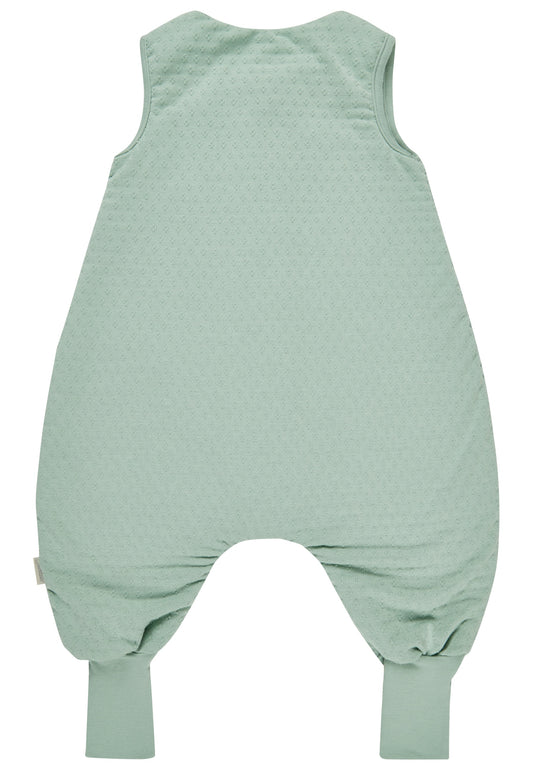
Sleeping Bag with Legs 2,5 TOG
Regular price 49,99 €Regular priceUnit price / professional49,99 €Sale price 49,99 €49,99 €40,00 € Cyber-Monday-Preis im Warenkorb49,99 €40,00 € Black-Weekend-Preis im Warenkorb
Weitere Farben erhältlich
-
Extra −20 %Extra −20 %
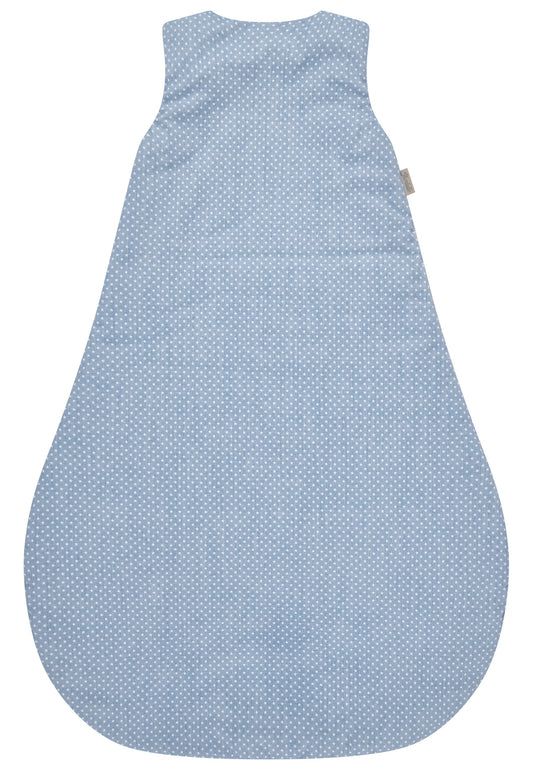
Sleeping Bag 2.0 TOG
Regular price 52,99 €Regular priceUnit price / professional52,99 €Sale price 52,99 €52,99 €42,40 € Cyber-Monday-Preis im Warenkorb52,99 €42,40 € Black-Weekend-Preis im Warenkorb -
Extra −20 %Extra −20 %
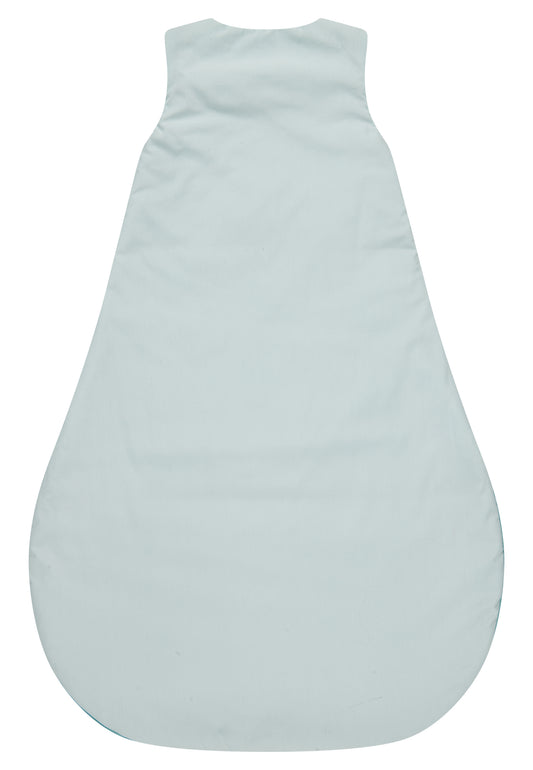
Sleeping Bag 1,5 TOG
Regular price 47,99 €Regular priceUnit price / professional47,99 €Sale price 47,99 €47,99 €38,40 € Cyber-Monday-Preis im Warenkorb47,99 €38,40 € Black-Weekend-Preis im Warenkorb
Sources:
¹ "The correct sleeping position"
(https://www.springermedizin.de/emedpedia/detail/paediatrie/ploetzlicher-kindstod?epediaDoi=10.1007%2F978-3-642-54671-6_19)
² "Do not “shut off” your child while they sleep"
(Scientific study on this: TASK FORCE ON SUDDEN INFANT DEATH SYNDROME. SIDS and Other Sleep-Related Infant Deaths: Updated 2016 Recommendations for a Safe Infant Sleeping Environment. Pediatrics 2016; 138(5). https://publications.aap.org/pediatrics/article/138/5/e20162938/60309/SIDS-and-Other-Sleep-Related-Infant-Deaths-Updated)
Mehr Informationen über Carolin Braun-Rechlin findest du hier.